
About Our Project
🌿 Harmony with Nature, Health for Humanity
At JotRishi Unnat Gram (JUG), we are nurturing a future where clean food, clear minds, and healthy bodies thrive together. Located in the serene village of Kota Muradnagar, near Haridwar and Roorkee, our farm is a living example of traditional wisdom, sustainability, and chemical-free farming in action.
🌾 A Living Laboratory of Natural Abundance
JUG is more than a farm — it’s a mission. Here, we cultivate not just crops, but a way of life rooted in purity, wellness, and balance with the Earth. Every step of our journey aims to restore harmony between humans and nature through holistic development and toxin-free living.
0
+
year of experience
0
+
happy customers
0
+
Units
Our Units
Professional Services
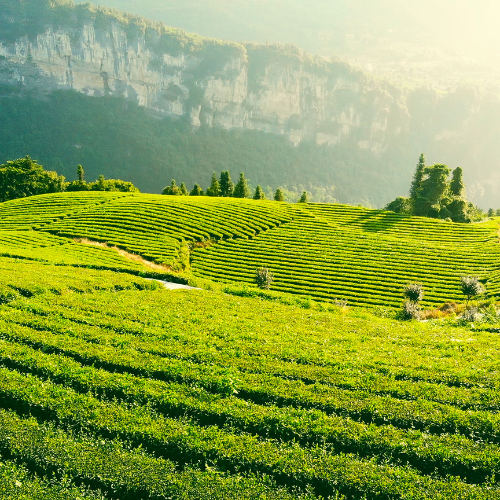
JUG has been established for natural/organic farming, free from chemical fertilizers and chemical pesticides, etc. Farming is done by considering soil as a living element because healthy soil is the basis of natural/organic farming. The entire farming chain is based on cow-based process. We grow vegetables, fruits, grains, pulses, sugarcane, and medicinal value crops such as Moringa and Spirulina. Many types of fruit trees, medicinal plants, and bamboo plants are planted here. JUG will also provide a rental facility, where one can book vegetable farming beds for specified season(s).
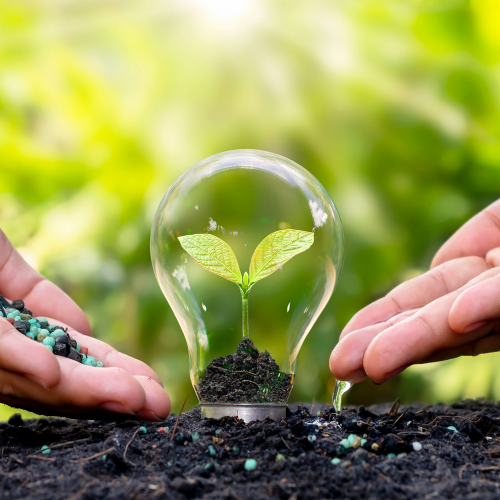
Organic fertilizers such as earthworm manure, liquid bio-compost and cow dung manure, and organic pesticides required for natural/organic farming are prepared here. These are also made available to the nearby farmers who want to do organic farming. We prepare WDC, Mycorrhiza, Trichoderma, NPK and NWDC Kavach. All these formulas have been prepared by Dr. Krishna Chandra, former Director, National Center for Organic and Natural Farming, Ghaziabad.
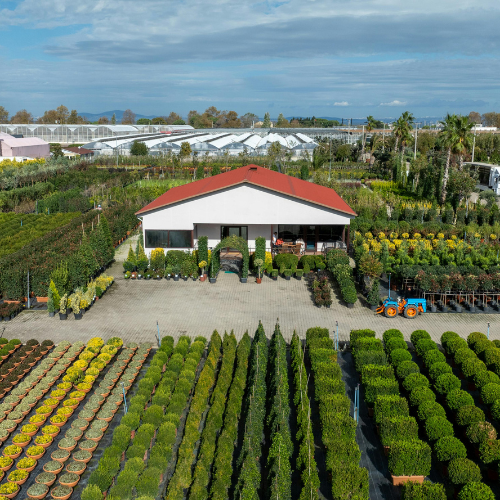
A variety of fruit trees have been planted in a wide strip of land within the farm, and named it as Food Forest. Along with these, there are some timber trees and selected medicinal plants.
A nursery is being built here for some specific types of trees and plants, from where people will be able to get fruit plants of the right variety. Vegetable plants, flower plants and some ornamental plants will also be available at this nursery.
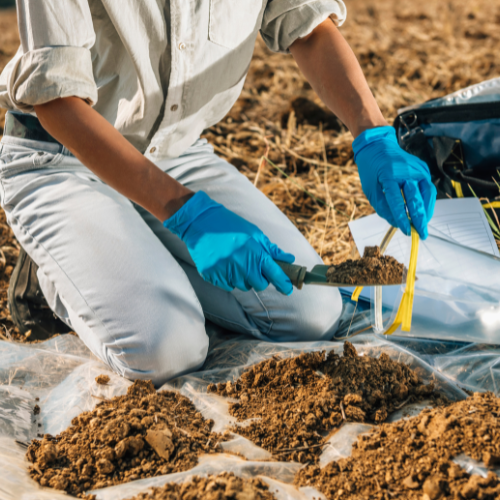
A soil testing facility is being provided at JUG to check the quality of farmers’ soil. This will benefit the farmers by knowing the status of soil health deficiency, and accordingly appropriate fertilizer can be suggested crop-wise. Organic farming is not feasible unless the carbon content and pH of the soil are known.
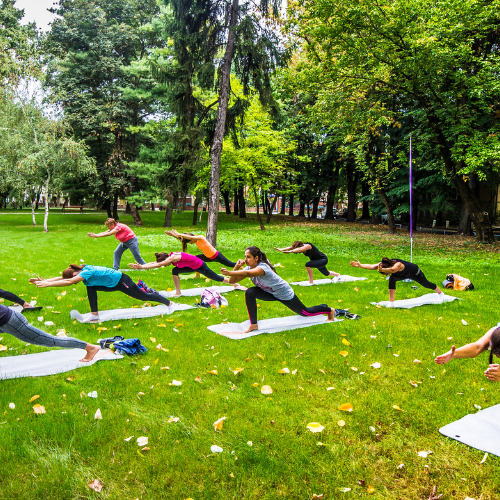
You will get a divine experience with a facility to meditate and do yoga while living in a natural environment. This experience will make you feel an infinite peace and divine energy in today’s hectic life, leading to physical and mental health.
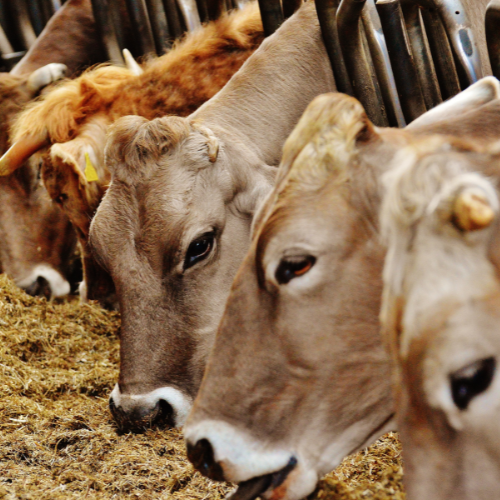
The concept of natural/organic farming is incomplete without indigenous cows and bulls. Only dung and urine of indigenous cows make this farming feasible. A variety of bio-products such as milk, ghee, buttermilk of indigenous cows also known as health boosters. We are building a cowshed at JUG, where along with cows, bulls will also be kept, to be effectively used in organic farming.
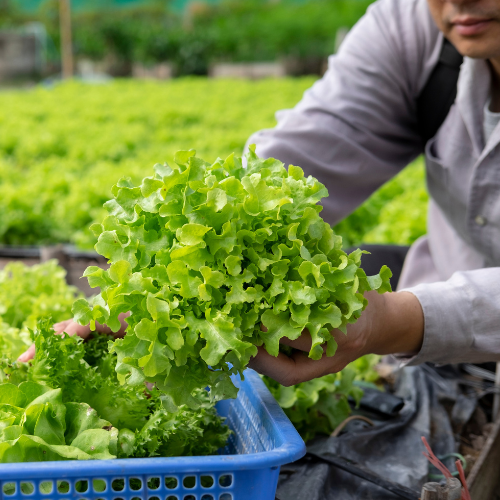
Farmers are given training for organic farming and animal husbandry. We have seen that today our youth and children have very little knowledge about agriculture, especially the urban youth and children. Exposure visit of school students are conducted, which provide them basic information about farming, trees, plants and biodiversity. During this farm tour, students have locally prepared food and do some field activities. On completion, students are issued a certificate. This will create awareness and respect in these children towards farming work, food and our environment in general. JUG is also being developed as field component training center for Agriculture/Horticulture colleges.

A rural facility and innovation center has been set up at JUG under a project funded by the Department of Science and Technology (DST), Government of India. Many agri-implements/machines have been kept here, which marginal farmers can rent and do their farming work. Also, other guidance/assistance for farming work is also being provided to the farmers. Efforts are made to promote and propagate the innovations and progressive ideas of the farmers.
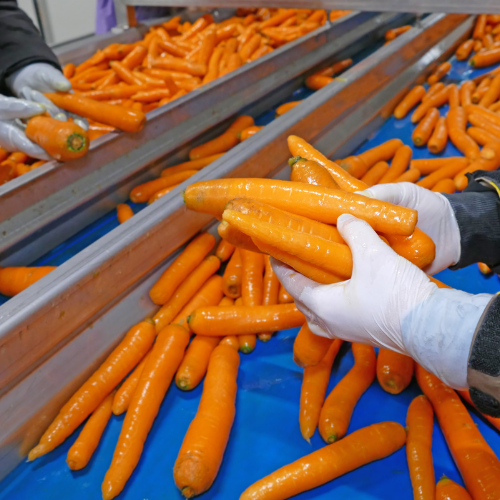
We prepare pulses, grains, ghee, oil, spices, jaggery etc. from the crops grown at JUG. After sale, the extra vegetables and fruits are processed (e.g. solar dried) and packed. This enhances their shelf life and fetches better price. Jam, sauce, pickle, papad etc. are also prepared, mostly by local women.
JUG will house small production units for post-harvest processing of various farm produces from JUG and nearby villages, from where fresh and pure products will be sold through on-farm sales outlet as well as from other outlets in Roorkee, Haridwar, Rishikesh, Dehradun, etc, and through online channels.
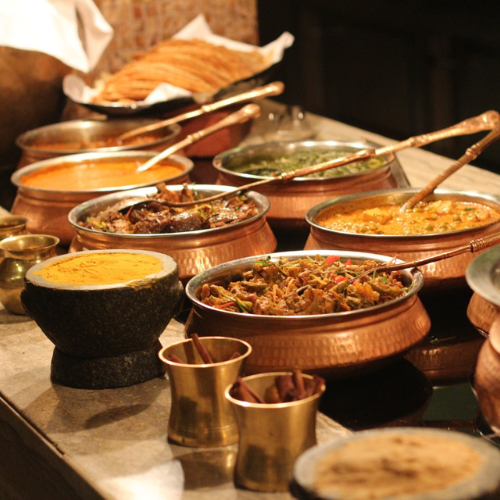
Guests visiting JUG will enjoy eating pure, satvik, traditional Indian cuisine. Our pantry is made by plastering it with mud and cow dung, and food is cooked mainly on a mud stove and in earthen pots. Vegetables and grains for food are mainly farm-grown. Hand mill for grinding flour, grinding stone for chutney, mortar for grinding spices etc. are used here. The taste, aroma and quality of the food prepared is nice and healthy.

A seed bank has also been established here to facilitate small and marginal farmers with vegetable and grain seeds. Our special focus is on the promotion of indigenous seeds, providing high nutrient value crops, but advanced hybrid seeds are also being made available.
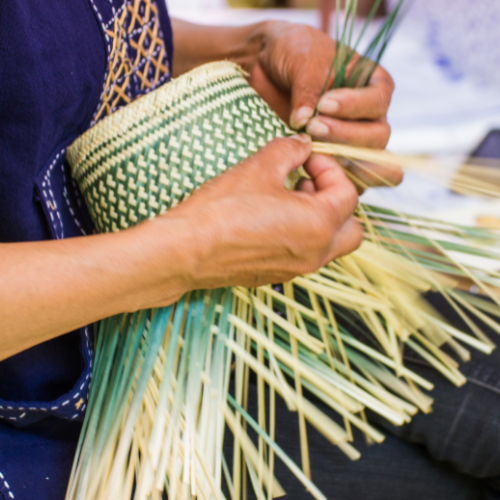
A handicraft training center is also to be established at JUG. Nearby villagers will be trained through some handicraft trainers and experts, and the products manufactured by them will be facilitated to the market. This mainly includes bamboo products, clay products, handloom products and wood products.
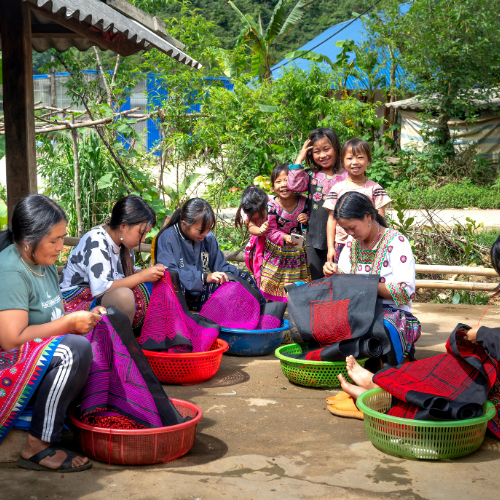
Most of the work at JUG is being done by rural women. Women, especially from the economically weak families work here and earn income for the family. They are involved in activities such as farming, food processing, mud house maintenance, cowshed, nursery, pantry, etc., enhancing their livelihood opportunities.
JUG will have a positive impact socially, economically, culturally and environmentally. Through its efforts, this work will not only help in many national and state level schemes but will also showcase the local implementation of many Sustainable Development Goals promoted by the United Nations.
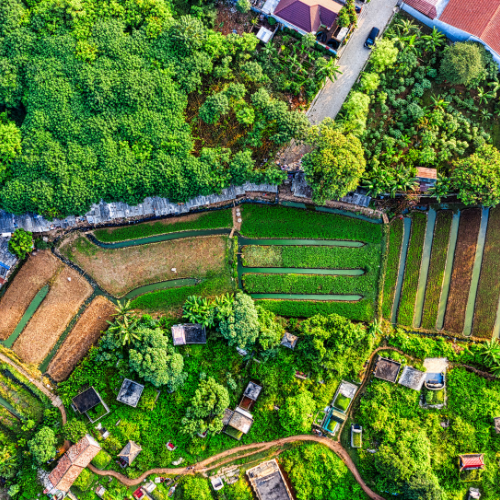
JUG is being developed as a rural agricultural tourism center. Many recreational activities such as cricket net, badminton, swimming, adventure activities, indoor games, shooting, archery etc. are available here. This will be a great place to have a picnic with the family and spend time in the lap of nature. Apart from this, staff members from various institutions and industries will also be invited to visit the farm. This is expected to be a source of livelihood for local villagers.
You will find here a facility to stay in nature friendly accommodation in the lap of nature. Mud houses – 8 double bed rooms and a dormitory with 12 beds are being prepared using mud, lime plaster and bamboo. Although living with nature is a pleasure, AC facility is also available in these houses.
JUG will provide farm-stay with facilities such as nature-walk, sun-bath, Yagya-shala, Meditation and Yoga Centre, Panchvati-Navgrih Vatika, etc. The moments spent here with family and friends will always be cherished.
Happy Clients
+
Year of Experience
+
Units
+
Google Rating
+
Clients Love
Testimonial
We will contact
Get a call back
Frequently Asked Questions
JUG is a rural development initiative in Haridwar, Uttarakhand, dedicated to promoting natural/organic farming, sustainable living, and rural empowerment through agriculture, agro-tourism, and training programs.
JUG practices 100% chemical-free natural and organic farming using cow-based methods. Crops include vegetables, fruits, pulses, grains, sugarcane, Moringa, and Spirulina.
Yes, JUG offers eco-friendly farm stays in mud houses with modern comforts like AC. Guests enjoy rural life, nature walks, meditation, yoga, and traditional food experiences.
Yes, JUG processes and sells organic ghee, grains, pulses, jaggery, pickles, and solar-dried fruits and vegetables at on-site and nearby outlets and online.
JUG offers soil testing, seed banks, farming tools on rent, and organic farming training. It also provides organic inputs like bio-fertilizers and pesticides.
JUG provides employment and training to local women in farming, food processing, handicrafts, and hospitality—boosting family income and rural livelihoods.